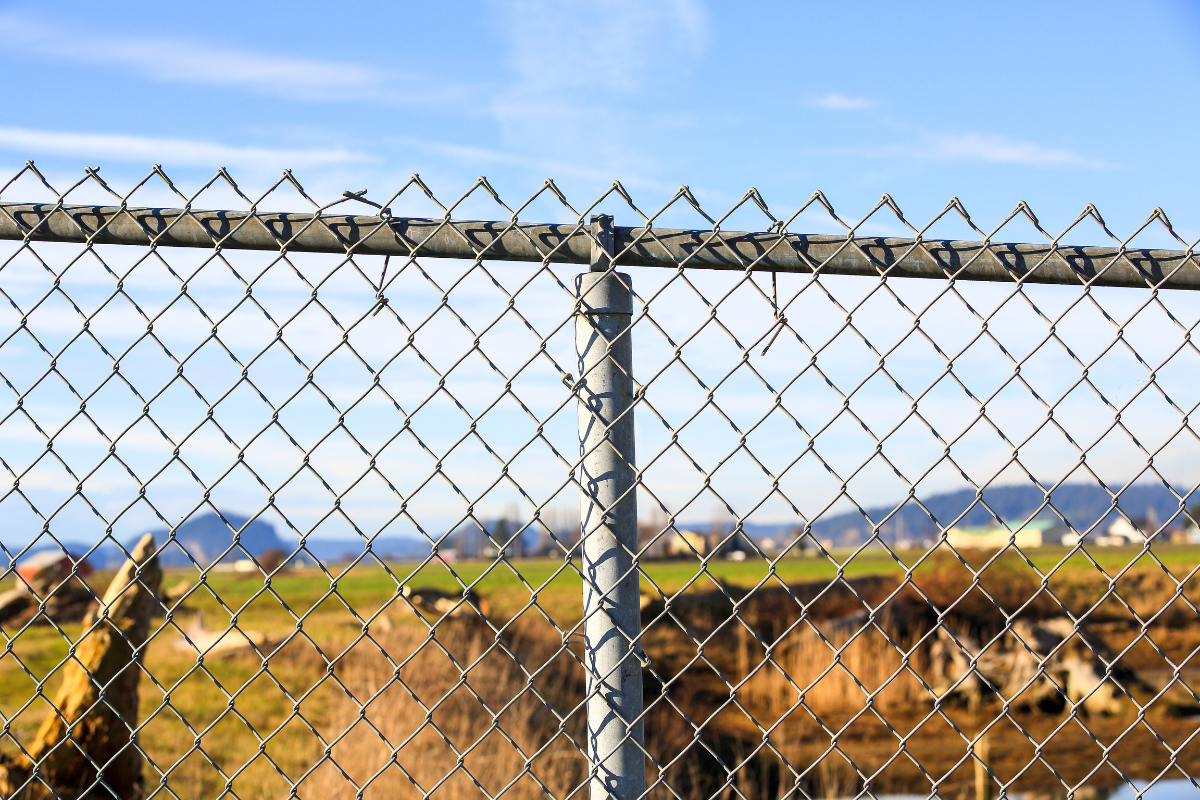
Most yards aren’t perfectly flat. They roll, pitch, and do their own thing, especially around older homes or properties that were graded for drainage instead of landscaping. That’s where a straight-from-the-box approach to chain link fence installation stops working. A fence on a slope needs more thought: how you set the posts, how you handle the fabric, whether you step or rack the panels, and how you plan for water and soil movement. When done correctly, chain link fencing looks clean, lasts for decades, and does its job without becoming a maintenance headache.
I’ve built and repaired fences on everything from mild swales to hills you have to climb sideways. The patterns repeat. The crews that plan their layout carefully and respect the terrain get tight, uniform lines and long service life. The crews that rush often end up with sagging fabric, creeping posts, and a wavy top rail that draws the eye for all the wrong reasons. This guide is the field-tested path to the first outcome, not the second.
How slope changes the installation game
On flat ground, chain link fence installation is a rhythm. Stretch a string line, dig, set posts, hang fabric, tie it tight. On a slope, that rhythm breaks in two places: grade changes and soil stability. The grade change forces you to decide whether to step the fence or follow the slope. Soil stability pushes you to change footing depth, concrete mix, and sometimes the post spacing to handle lateral loads.
Stepping means each panel stays level, and you create small vertical drops at the posts. Racking means the fence follows the grade and the top and bottom edges angle down with the yard. Neither choice is universally better. Security needs, pets, aesthetics, and the severity of the slope dictate the call. For example, a client with a small terrier that tunnels needs a bottom line close to the ground the entire run. That pushes you toward racking or toward custom bottom infill if stepping leaves gaps. If the fence is purely a boundary marker behind a commercial site, stepping can deliver a clean, level top that reads well from the building.
Soil matters just as much. A loamy yard that drains well behaves differently than clay that heaves in winter or decomposed granite that sloughs after a heavy rain. On slopes, soil loads press downhill on the posts, and water moves faster. Both increase the risk of lean and frost jacking. A competent chain link fence contractor adjusts for that with deeper footings, bell-shaped post holes, and concrete collars that lock the post against lateral movement.
Planning the line: sight, utility, and drainage
Every good fence starts with a walk of the property, a few stakes, and a long string. I set corner points, pull a line, then stand back and look at what the eye sees. On a slope, the eye picks up the top line more than the bottom. If you intend to step, make sure the step heights are consistent and land near features that make sense, such as along a retaining wall seam or where the grade naturally breaks. If you intend to rack, check that the angle is steady so the top rail won’t wobble.
Two technical checks matter before digging: utilities and water. Call to mark utilities, then probe doubtful areas with a hand dig. On slopes, gas and irrigation lines often run diagonally. For water, watch how the land sheds a hose test. If sheet flow runs along your fence line, consider a small grade swale or lifting the fabric slightly in that area with bottom tension wire so water doesn’t dam against the mesh and push soil downhill.
For property lines that snake, a professional chain link fence company may pull a survey. I’ve been called for chain link fence repair where a neighbor dispute started with a stepped fence that crossed the line at a pinch point because the installer chose a clean visual path instead of the legal one. A 20-minute review of the plat map and some careful stakes would have avoided a costly relocation.
Choosing between stepping and racking
Stepping makes sense on sharper slopes or where a level top line is essential. Think of school yards, apartment complexes, or places where uniformity sells the look. Stepped chain link fencing creates triangular gaps at the bottom on the high side of each step. You can solve that with bottom rails, tension wire, or even site-built kickboards if containment is a concern. The posts remain plumb, caps line up, and gates are easier to hang because the leaf meets a level latch side.
Racking keeps the bottom tight to the ground and follows the natural grade, which helps with pets and keeps debris from piling against the fence. Genuine racking works when you stretch the fabric so the diamonds deform slightly, letting the mesh angle without buckling. This has limits. Standard nine- or eleven-gauge galvanized fabric can rack to a point, but past about 12 to 15 degrees you start to see diamond distortion and uneven tie tension. Beyond that, you either break the line with more posts, step the fence, or switch to shorter panels so each run handles a smaller drop.
For severe slopes, a hybrid approach often looks best. Rack the gentle sections, then insert controlled steps at grade breaks or just ahead of gates. This avoids awkward gate hangs and keeps your bottom line tight.
Post layout and footing strategy
On sloped terrain, post spacing shrinks slightly to keep the chain link fence strong under uneven loads. While 10-foot centers are common on flat ground, shifting to 8 feet on a slope keeps top rails straight and limits fabric sag between ties. Corners and ends deserve more concrete and thicker posts. I usually use schedule 40 terminal posts on sloped lines, even when line posts are lighter wall. The additional stiffness helps with stretch and long-term alignment.
Depth is non-negotiable. For frost-prone areas, the bottom of the footing should sit below frost line. On slopes, go deeper than the flat-ground rule of thumb. A useful field practice is this: if a level drop across your fence line exceeds 1 foot over 10 linear feet, increase line post footing depth by 6 inches and widen the bell at the base. A belled hole resists pull and push from the downhill side. In soft soils, a 10-inch diameter hole for line posts and a 12- to 14-inch hole for terminals creates a solid anchor. In rocky ground, dig what the earth gives you but square the sides as best you can, and tamp crushed stone under the concrete to seat it.
Concrete mix matters less than https://www.google.com/maps/place/Southern+Prestige/@30.3158925,-92.0739959,17z/data=!3m1!4b1!4m6!3m5!1s0x2cec32bd800e8f35:0x1f19c5dbffeebca0!8m2!3d30.3158925!4d-92.0739959!16s%2Fg%2F11sxwjtzzy?entry=ttu&g_ep=EgoyMDI1MDgyNC4wIKXMDSoASAFQAw%3D%3D placement. A wet, soupy mix weakens the bearing at the edges of the hole, and on a slope it can slump downhill. I prefer a firm, plastic mix placed in lifts with a handful of dry mix tamped on top to help set the surface. Always crown the concrete slightly around the post to shed water, then backfill with native soil and compact in thin layers. If you’re installing in a rainy season, consider a quick-set blend, but don’t sacrifice cure time for speed. A terminal post that cures overnight in cool weather and then takes a hard fabric stretch the next morning often shifts a degree or two, enough to telegraph as a wave in the top rail.
Top rails, braces, and tension strategy
A clean top line is the hallmark of well-executed chain link fencing services on a slope. For stepped fences, every panel’s top rail is level, and the rail sleeves line up perfectly at posts. For racked fences, the top rail follows the slope, so you cut rails at angles or use swaged ends that seat cleanly even when the rail tilts.
Bracing is not optional. Terminal posts need brace rails and truss rods because the fabric wants to pull downhill. I run a horizontal brace rail between terminal and adjacent line post, then set a truss rod from the bottom of the terminal to the top of the line post on the downhill side. That triangulation locks the system. For long runs, mid-braces every 100 feet, or at each grade break, keep the fence honest.
Tension should be even but mindful of gravity. Stretch fabric from the low end uphill whenever possible. If you start high and pull down, you’re fighting the slope and inviting creep. Use a come-along and stretcher bar that grabs the full height of the fabric to avoid banana-shaping the pull. Aim for a tightness where you can press the fabric in about an inch at midspan with a firm hand. Past that, you risk deforming the diamonds, especially when racking.
Bottom attachment varies with design. Tension wire is the minimum. On slopes, two wires, one bottom and one mid-span, help tame belly. If containment matters, add a bottom rail. In areas with erosion risk, a bottom rail also keeps the fabric from being undercut as soil washes.
Dealing with gaps, pets, and wildlife
The first complaint after a rushed sloped installation is usually about gaps. For small pets, a 3-inch gap is a jailbreak. For wildlife, gaps become funnels, and before long you have a trail under the fence. The goal is a consistent reveal at the bottom, not a perfect kiss to the ground, which is rarely possible on rough slope.
Several field fixes work and hold up. Where steps create triangular voids, cut and wire a triangular piece of fabric along the bottom to close it, then clamp with hog rings to the main mesh and tension wire. Where the grade dips unexpectedly, add a small kicker post between regular posts and run a short bottom rail span to pin the fabric down. In areas that erode seasonally, a treated 2x6 kickboard secured to the bottom rail holds soil yet lets water pass under or through gaps between boards.
I’ve installed chain link fence repair sections where homeowners tried to fill gaps with river rock piled against the fabric. It looks fine for a month, then the rocks roll, the soil channels, and the fence starts to lean. If you need infill, use compacted base material keyed into a shallow trench on the uphill side and folded slightly under the fabric, or add a short retaining curb poured in place to the downhill side with expansion joints at posts.
Gate placement and hardware on grades
Gates create more headaches on slopes than any other component. A swinging leaf wants level ground under it and a plumb latch side to meet. On a racked fence, that’s not the default. Whenever possible, flatten the grade at gate openings with a small landing, or set the gate at a stepped section so the hinge and latch posts are level with each other.
For single swing gates on a slope, hang the hinge side higher and let the leaf swing upward into the grade, or mount lift-off hinges that allow a small rise during swing. Both approaches need precise measurement. A comfortable clearance is about 2 to 3 inches at the tightest point to allow for frost heave and seasonal growth. For double drives, a drop rod that seats into a steel receiver set in concrete keeps the free leaf from wandering downhill. Use heavier posts and welded hinge hardware on grades steeper than 10 degrees because the moment load on the hinge side increases.
Slide gates solve many slope problems but need space parallel to the fence. A cantilever slide avoids ground tracks and clears uneven surfaces, which is why many commercial chain link fence company teams recommend them on steep drives. The trade-off is cost and the need for a sturdy anchor section on the opening side.
Material choices that pay off on slopes
Galvanized fabric is the default workhorse, but not all mesh is equal. Heavier wire gauges resist deformation when racking. Nine-gauge fabric handles moderate racking without the diamonds twisting into parallelograms. If budget allows, vinyl-coated fabric adds a bit of stiffness and blends better visually when the top line isn’t perfectly level.
Posts and rails benefit from a step up in wall thickness on slopes. Schedule 40 for terminals and the first two adjacent line posts, then .065 wall for intermediate line posts, is a practical mix. Top rails with swaged ends make assembly easier when rails meet at slight angles. For coastal or highly corrosive environments, hot-dip galvanized fittings and stainless ties pay back in reduced chain link fence repair over the years.
Ties and fasteners matter more than most think. Aluminum ties are easy to work but can loosen after repeated thermal cycles on an angled run. Coated steel ties hold tighter. Space ties closer on racked sections, about every 12 to 14 inches along top rails, and use extra hog rings at the bottom tension wire near dips where pressure will be higher.
Drainage, erosion, and the first year
Water will test your work in the first hard rain. The fence becomes a subtle dam on a slope, slowing water and dropping sediment at the fabric. That weight pushes the mesh and posts downhill if you haven’t planned for it. A shallow swale along the uphill side of the fence line, six to eight inches wide and a few inches deep, guides water parallel to the fence and then away at a controlled outlet. Mulch and topsoil piled against the fabric is an invitation to rot and creep.
Where stormwater concentrates, break the line of the fence with a small culvert or a raised bottom span. I’ve set sections with a 4- to 6-inch lift for a few feet across a drainage trickle, pinned the bottom with tension wire, then wrapped the exposed lower edge in a narrower roll of fabric to guide debris under. It looks odd on paper, but it works, and it beats replacing a bowed section every spring.
Expect some settlement in the first year. Plan a follow-up visit or a personal inspection after the first winter to check post plumb, tie tension, and bottom line contact. Tapping a post back into plumb or tightening a few ties at month nine saves a major chain link fence repair at year three.
Cost drivers and where to spend
A sloped yard increases labor and materials. More posts, deeper holes, and extra bracing add up. The premium ranges from 10 to 30 percent over flat-ground chain link fence installation, depending on steepness and soil. Spending priority should follow structure first, finish second. That means money goes into solid terminals, improved footing, and bracing before it goes to premium coatings. A mid-grade galvanized system with robust structure will outperform a high-end coated system built on shallow posts.
DIY installers often underestimate concrete and overestimate stretch. Plan on at least 1.25 to 1.5 bags of concrete per line post on moderate slopes, more for terminals. Have a spare stretcher bar and extra ties, because you’ll use them to correct small misalignments as you go.
Working with a professional crew
A good chain link fence contractor will talk you through stepping versus racking with reference to your yard and use case, not a default preference. They should show you where gates will land and how they’ll handle drainage points. Ask them how deep they set posts on your slope and what bracing pattern they use. If they have photos of past work on similar grades, even better. Most reputable chain link fencing services provide a plan sketch and stake the layout before digging. Walk it with them. A ten-minute adjustment in the field can save you years of annoyance.
If you already have a fence that’s leaning or gapping, a skilled crew can often perform targeted chain link fence repair. Straightening posts with new collars, adding a mid-brace, replacing stretched fabric in racked sections, and reworking a problem gate cost far less than a full replacement. The key is addressing the cause, usually footing and water, not just the symptom.
A field-tested, step-by-step overview
Use this lean sequence if you’re building or reviewing a crew’s plan. It’s short because the details above do the heavy lifting.
- Stake corners, pull string lines, and decide where to step or rack based on slope and function. Mark gates with extra care. Call utilities, probe suspect spots, and cut a shallow swale upslope of the line if drainage warrants it. Dig deeper, belled footings on the slope, set terminals first, brace them, then set line posts slightly closer than on flat runs. Install top rails, brace rails, and truss rods, ensuring the top line reads straight for steps or follows a clean angle for racking. Stretch fabric from low to high, tie tight with closer spacing on racked sections, set tension wire or bottom rail, then hang and tune gates.
Common mistakes worth avoiding
The same errors appear again and again on sloped yards. They’re all preventable with patience.
- Setting posts to a consistent above-grade height without accounting for slope, which leaves a jagged top line when rails go on. Overstretching fabric to force a rack on a steep pitch, deforming the mesh and weakening ties. Skipping truss rods on terminals because the run “isn’t that long,” then watching everything creep downhill over time. Pouring soupy concrete that slumps downhill in the hole, reducing bearing where you need it most. Hanging gates without regrading the opening or planning a step, which leads to swing interference or giant bottom gaps.
When a retaining solution comes first
Sometimes the grade is too aggressive for chain link fencing to behave, and the right answer is a small retaining wall or a series of low terraces. A twelve- to eighteen-inch timber or block wall upslope of the fence creates a level bench for footings and removes soil pressure. I’ve had projects where we installed a 16-inch segmental block curb along 70 feet of line, then set the fence on the flat just downhill. The combined cost beat the endless service calls that would have followed a straight fence on the raw slope.
If a wall is not feasible, break the fence into short, stepped runs with terminals at each break. It adds posts and fittings but keeps each tension section manageable, which improves durability and looks better than a single, tortured stretch of fabric.
Maintenance rhythms that extend service life
Chain link doesn’t demand much, which is part of its appeal. On slopes, a little seasonal attention pays outsize dividends. After big storms, walk the line. Kick at the bottom to feel for soft spots, check ties at mid-spans on racked sections, and look at gate clearances. If a post starts to lean a degree or two, don’t wait. Use a come-along with a strap around the post and a deadman stake uphill to nudge it back, then add a compacted collar of crushed stone at grade and seal with a thin mortar wash to shed water. Touch up galvanized areas only when necessary and with compatible cold galvanizing compound, especially around cuts and drilled hardware.
Vegetation on slopes grows faster and weighs more when it’s wet. Keep vines off the fabric. A lush vine can add hundreds of pounds of live load during a rain. If you like green, train plants on a separate trellis just upslope, not on the fence.
The payoff of getting it right
Precision work on a sloped yard doesn’t announce itself loudly. The fence simply looks calm. The top line reads straight where it should, follows the land where that makes sense, and the gates open with one finger. Months later, after freeze-thaw cycles and spring storms, nothing moves. That’s the quiet reward of sound chain link fence installation on grades. It also saves money. Fewer callbacks, fewer emergency tweaks, and a longer interval before any chain link fence repair is needed.
Whether you build it yourself or hire a chain link fence contractor, treat the slope as a design partner, not an obstacle. Respect water, invest in posts and footings, choose the right mix of stepping and racking, and favor field adjustments over forcing a plan. Chain link fencing is forgiving, but on a hill it tells the truth. If you take the time to get the fundamentals right, it will serve you for decades with minimal fuss.
Southern Prestige
Address: 120 Mardi Gras Rd, Carencro, LA 70520
Phone: (337) 322-4261
Website: https://www.southernprestigefence.com/