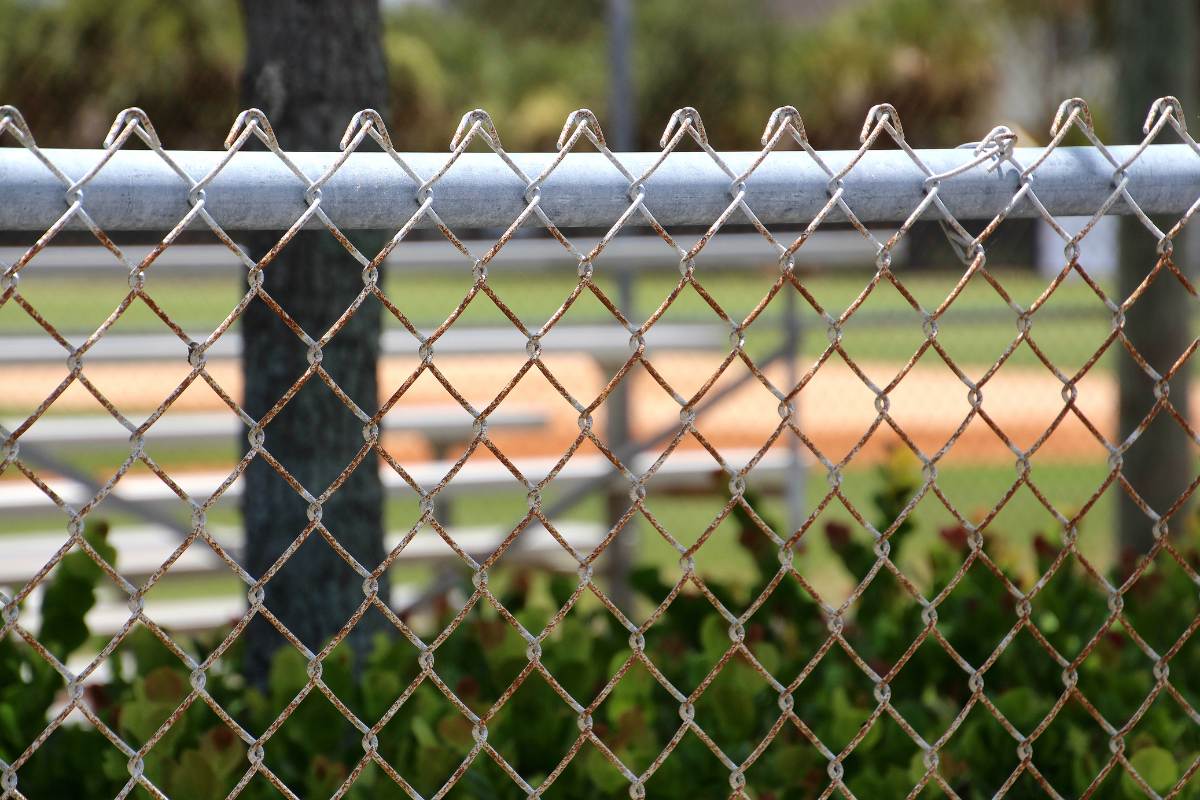
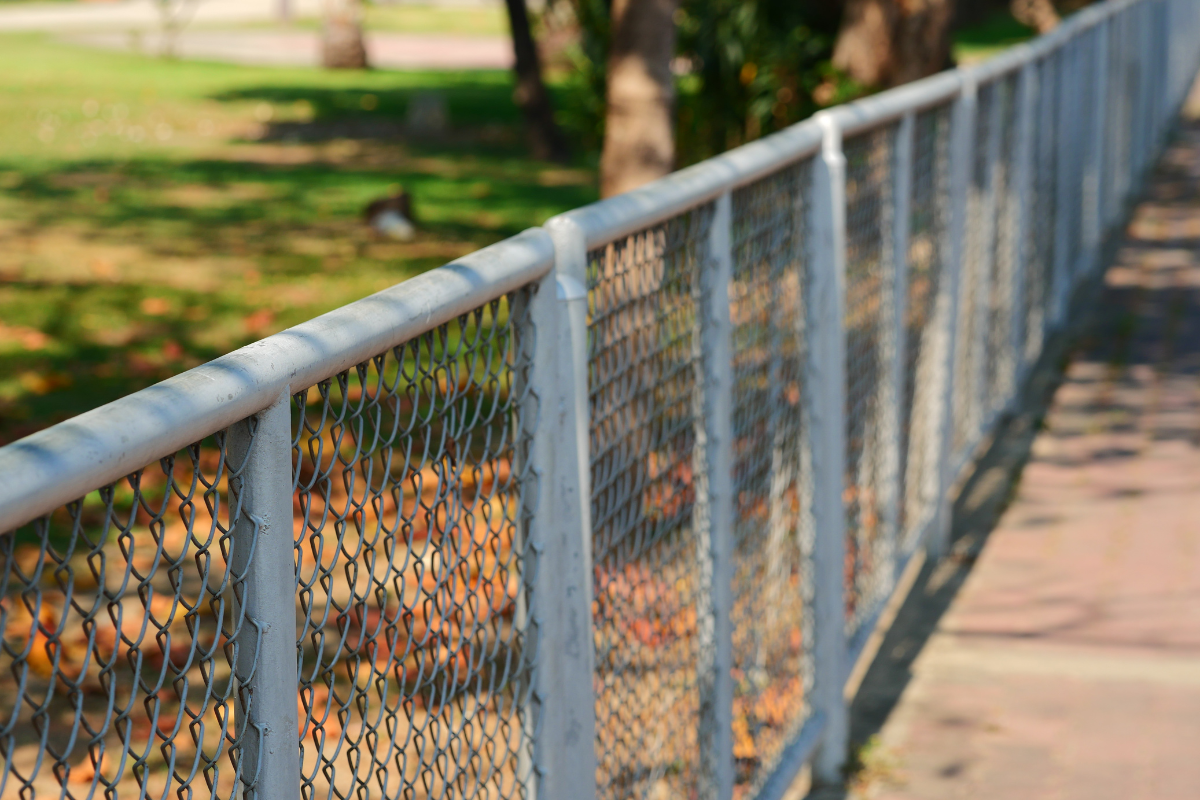
When a chain link fence fails, it rarely happens at a convenient time. A windstorm drops a limb across the top rail. A delivery truck backs into a terminal gate at 6:12 a.m. and buckles two panels. The neighborhood field hosts a tournament and a gap appears along the bottom, inviting stray balls and curious dogs. These moments call for a crew that can assess, stabilize, and fix the problem on a tight clock without cutting corners. That is the promise of a rapid response chain link fence repair team: restore security and function first, then finish the details with the same precision you expect from a full installation.
What follows is a practical look at how a seasoned team approaches chain link fence repair, where the time goes, what decisions actually matter in the field, and how to get durable results. I will draw on jobs ranging from one-bay repairs near loading docks to 800 feet of storm-damaged fence around a municipal reservoir, and I will cover the parts and choices most property owners only learn about after something fails.
Why speed matters, and where it doesn’t
Security, liability, and continuity drive the need for fast action. A compromised perimeter invites theft and trespass. At a daycare or athletic facility, even a small opening is a safety concern. In industrial yards, a downed section can halt operations or void insurance conditions. Speed matters in the first 24 hours. Getting a fence standing, tensioned, and safe prevents the initial problem from multiplying.
That said, speed does not justify sloppy work. You can install a temporary brace in ten minutes and still follow best practices. Cutting a corner on mesh ties or skimping on tension bands only guarantees another service call. A competent team triages: secure the site now, then complete a proper repair with the right parts and torques. The goal is minimal disruption today, zero callbacks next month.
The anatomy of a chain link fence, briefly
A chain link system is a kit of standardized parts. Knowing the names speeds decisions and avoids vague instruction. Posts serve as the structure: terminal posts at ends, corners, and gates, line posts every 8 to 10 feet. Rails top the fence, sometimes bottom or mid rails on higher-security or sports applications. Mesh, called fabric, hangs between posts and rails. Tension wire or a bottom rail keeps fabric from bowing or lifting. Fittings, the small components, do most of the practical work: bands clutch to terminal posts, caps keep water out, brace bands bind rails and braces, and tension bars distribute load across the fabric. The gauge of the fabric, the diameter and wall thickness of posts, and the true height all matter to the longevity and rigidity.
Once you see the fence as a system of standardized elements, repairs become methodical. Replace what failed, match it to the neighboring components, and restore proper load paths.
Common failures we see in the field
Impact damage ranks first, by a wide margin. Vehicles bite into corners and gate jambs, bending terminal posts and tearing mesh at the seam where the tension bar lives. Baseball fields and backstops suffer repetitive mesh deformation near the strike zone or along the bottom edge where kids step and kick. At commercial sites, forklift forks lift mesh when pallets press into the fence, which slackens the fabric over time.
Environmental forces take second place. Wind can bow long runs that lack brace posts. Freeze-thaw cycles heave shallow footings, especially where posts were set at less than 30 inches or in uncompacted fill. Coastal fences corrode fast if hardware is zinc electroplated rather than hot-dip galvanized. In arid climates, UV exposure works on vinyl-coated fabric, especially on budget coatings that chalk after a few seasons.
Then there is the silent killer: small omissions during chain link fence installation that only show up later. Missing tie wires along the top rail, too few tension bands on tall fabric, or a tension bar that stops one diamond short of the top knuckle. These shortcuts save minutes and cost stability. A rapid response chain link fence company often sees these tells. We fix what’s in front of us, but we also flag systemic weaknesses so they do not keep failing.
What “rapid response” means in practice
Rapid response is a workflow, not a slogan. It starts with a tight intake: clear photos, a quick call to define the failure, measurements of fabric height, post spacing, and whether the fence is residential light-duty or a commercial spec. From the first contact, we aim to source compatible components before the truck leaves the yard.
Arrival within the agreed window is the next piece. For high-priority sites, we carry a stock of universal fittings that accommodate the most common diameters: 1-5/8 and 2-3/8 inch rails and terminals, 1-7/8 inch line posts, 4 and 5 foot fabric with 9 or 11 gauge in standard 2-inch diamond, and tension bars cut to 4, 5, and 6 feet. This allows us to stabilize almost any section without a return trip.
The third component of rapid response is decision making on site. We do not spend an hour debating whether a top rail is salvageable. If it creases, it loses stiffness. We cut, splice, or replace it. If a terminal post wobbles but the footing holds, we add a brace and a new set of bands to spread the load. If the footing cracked or the post is kinking at grade, we core or excavate and reset the post, then cure with fast-setting concrete or a high-strength grout, depending on soil and temperature.
First steps on arrival: triage and stabilization
On impact jobs, we start by relieving the fence of the loads that keep it distorted. A bent top rail behaves like a spring. We isolate the damaged bay by snipping tie wires along the rail and sometimes along the tension wire. We remove or cut the kinked section of rail. With the load off, the mesh relaxes and reveals where it actually tore versus where tension just pulled a diamond open.
If a terminal post or gate post took the hit, we assess plumb and anchorage. A post that is out of plumb more than a finger’s width at the cap usually needs correction. We tighten brace bands and add a temporary diagonal brace from the terminal post to the next line post. If the concrete footing rocked or the soil washed out, we fence off the area and plan a reset.
For breaks in the fabric, we weave out the distorted wire and square the remaining edge. The quick fix uses a splice wire and hog rings, but that is a temporary measure suited for a weekend, not a season. A proper fix uses a full-height tension bar and a set of tension bands, bringing the load back into the post or rail.
The rule is always the same: make the site safe and secure first. Even if a cosmetic alignment tweak waits until the end, we leave a taut and closed perimeter before daylight fades.
Matching components: the quiet skill that saves time
Chain link parts look universal until you try to force a 2-inch diamond into a seam with 2-1/4 inch fabric. The weave won’t align, the knuckles don’t match, and the seam will snag. The same mismatch happens with gauges. An 11 gauge diamond will not tension cleanly against 9 gauge fabric. Where repair length is short, the mixed stiffness can show as a wave.
A repair team that works fast carries a small set of gauges and calipers. Measure, then choose the part. We verify:
- Fabric height and diamond size, with a tape on a three-diamond span to avoid distortions. Post and rail diameters, including wall thickness where schedule changes matter for clamp load.
Once the components match, every minute pays off. A 6-foot tension bar slides cleanly through a clean edge. Tension bands land at regular spacing, roughly every 12 to 18 inches for typical 6-foot fabric, more on taller fences. Tie wires catch around the rail without crushing the top coil of the mesh. These are tiny details, but they stack up to reliability.
When to replace instead of repair
A single impact in a single bay is a straightforward repair. The judgment calls come with older fences. If the galvanized coating is chalking and red rust is blooming near grade, we weigh the scope. Replacing a damaged 12-foot section of mesh in a 30-year-old perimeter can look odd and can concentrate strength in one spot while the neighbor sections remain weak.
In those cases, we discuss staging: replace the failed section now and budget for progressive replacement over the next few years. We sometimes recommend an upgrade to vinyl-coated fabric at high-traffic edges while leaving inland sides as-is. On security sites, we consider adding bottom rail or a heavier gauge tension wire to end the cycle of pry-ups along the base.
If posts have uniform rot at grade or the footings all sit shallow, it often makes economic sense to replace longer runs. The cost delta between a patchwork of resets and a systematic replacement narrows once you count multiple mobilizations. A good chain link fence contractor will draw this picture honestly, with numbers and options rather than a hard sell.
Gate repairs are their own animal
Gates carry more variables than straight runs: hinge geometry, latch alignment, frame squareness, and ground clearance all interact. After an impact, a gate can appear only slightly off while the hinge post carries a torsional load that will tear out lag bolts or egg-shape the hinge sleeves.
We start by sighting the frame for twist. If a corner weld cracked or a horizontal rail kinked, we can sleeve or replace the member. Hinges tell us the rest. Bolt-through hinges on steel posts usually survive better than strap hinges on timber. Adjustability helps, but only if the gate frame is square. Latch hardware should meet with direct contact, not rely on a shimming trick or a bent striker. Once the structural bits align, we tension the fabric on the gate leaf to match the field run, so it opens without rubbing or drumming in the wind.
On sliding cantilever gates, many “repairs” are really maintenance. Rollers flatten, track collects gravel, and drive units lose lubrication. A hard refusal to close often traces back to a roller that no longer tracks true. We carry roller assemblies in standard diameters to get a site moving the same day. For motorized units, we coordinate with the gate operator tech if safety loops or sensors need recalibration after mechanical work.
What materials to stock for true same-day results
The difference between a crew that truly offers rapid chain link fencing services and one that promises speed lies in the truck inventory. We keep consumables and modular components that allow us to adapt on site. That includes tension bars in common heights, a range of tension bands, brace bands, rail ends, top rail sleeves, and end caps. We stock tie wire in galvanized and black vinyl-coated options to match common fabrics.
For rails, we carry several 21-foot lengths of 1-3/8 and 1-5/8 inch top rail with swedged ends for fast joining. For posts, we usually do not carry a full suite unless a site survey indicated specific needs, but we do keep a pair of 2-3/8 inch terminals and a couple of 1-7/8 inch line posts, since those sizes solve many light commercial problems.
Fast-set concrete in 50-pound bags rides in the trailer for post resets, with a few buckets for mixing if the site lacks water. In winter, we use non-chloride accelerants or high-early-strength grout to reduce cure time without compromising the set. Corrosion resistance matters, so fittings are hot-dip galvanized, and for coastal work we keep stainless clamps and hardware in a dedicated kit.
The repair process, end to end
A typical bay repair for a 6-foot commercial fence follows a rhythm. After securing the site and removing damaged rail, we square the cut edges of the fabric. We insert a tension bar through the last full diamonds and land tension bands on the terminal post, evenly spaced. We set the top rail, replacing sections as needed and using a sleeve where a full-length swap is unnecessary. We tie the fabric to the top rail every 12 to 18 inches with wire ties, oriented so the twist lands on the secure side of the fence, not the public side.
At the base, we reattach to the tension wire, replacing it if the original is slack or nicked. On fences with a bottom rail, we treat it like the top, cutting out deformed sections and re-sleeving or replacing the run. Once the field fabric is tight, we dress the seam with tie wires at a measured cadence to prevent flutter. The final passes focus on alignment: plumb posts, level rails by eye and level, smooth transitions through splices, consistent tie wire orientation.
Where the fence meets grade, we address erosion gaps. Rock pockets invite intrusion. We backfill with compacted soil or crushed aggregate depending on site, then tamp to minimize future settling. On athletic fields, we avoid sharp aggregates where players may slide.
Dealing with oddball situations
Repairs rarely unfold in perfect rectangles. Here are a few edge cases that call for judgment:
- Embedded fences in hedges or vines. Cutting plants away saves time now but exposes the fence to wind loads it has not seen for years. We pace the clearance and add brace posts if a long section suddenly faces the breeze. Mixed-spec extensions. Tying new 8-foot fabric into an older 6-foot run with barbed wire arms requires a plan. We step the height at a terminal post and avoid improvising with short pieces of fabric that create snag points. Ground too hard to set a post. We have used core drills and sleeve anchors to mount a terminal to a concrete pad where excavation was impossible. The load path changes, so we brace more aggressively to prevent rotation. Snow and freeze. Installing in subfreezing temperatures is feasible with the right mix, but the last 5 percent of tensioning should wait for a thaw. Metal contracts in cold, and a fence tensioned tight in January can hum like a guitar string in June.
Costs, timelines, and what drives both
On light repairs within a city zone, a two-person crew can fix a typical damaged bay in one to three hours, plus travel. Material costs vary with gauge and coating. Plain galvanized fittings are economical. Vinyl-coated fabric and stainless hardware add 20 to 40 percent. If a terminal post reset is required, count on another 60 to 90 minutes for excavation, set, and bracing, plus cure considerations. Emergency after-hours work carries a premium, which many clients accept given the risk exposure of an open perimeter.
What drives price most isn’t the fabric or fittings. It is access and complexity. Tight alleys and live operations slow work. Confined space rules near rail lines or utilities mandate spotters and permits. Hazard pay, insurance, and coordination time are real costs for a chain link fence company that takes safety seriously.
How to choose a chain link fence contractor for urgent work
A solid contractor shows their process, not just their pictures. Ask how they intake a call, what they keep in stock, and how they document the work. It is a good sign when they ask you for fabric height, diamond size, and post measurements right away. That means they intend to fix, not just look.
Two practical checks cut through marketing. First, request a concise scope and a parts list before the truck rolls. That reveals whether you will see a true chain link fence repair or a stopgap. Second, ask about warranties on repair work. On properly executed repairs, we stand behind materials and workmanship for a defined period, with exceptions for subsequent impacts or structural failures outside the repaired area.
Preventive measures that actually work
Once the fence is back in shape, a few small investments reduce the likelihood of the next call. Bottom tension wire earns its keep by preventing lift. In areas with pets or wildlife, a bottom rail is even better, since it resists repeated prying that will eventually deform wire ties. At corners near drive lanes, bollards deflect slow-speed impacts that would otherwise kink a terminal. Painted or vinyl-coated fabrics are not just aesthetic. They add corrosion resistance in urban or coastal environments where salts and pollutants chew through bare galvanization faster.
Gate areas deserve special attention. Replace worn latch catches with robust, self-aligning units. If ground clearance is tight, shave high spots or install a small concrete mow strip to stop grass from growing into the swing path. For sliding gates, regular cleaning of the track and roller inspection prevents the sudden seize that leads to operator strain and expensive faults.
A day on a storm line: one real example
We responded to a mid-spring blowdown at a water district perimeter, roughly 800 feet along the windward side. The fence stood 8 feet with three strands of barbed wire in an outward arm. The storm tipped five line posts and snapped the top rail in eight places. The fabric held at the tension bars, which told us the original installation did its job with enough bands and proper seating.
We split the work into day one stabilization and day two rebuilding. By noon on day one, we had braced the tipped posts with temporary diagonals, cut out the mangled rails, and re-tensioned the fabric along the top edge with new ties to stop flapping. Security was satisfied and operations continued.
On day two, we reset two posts whose footings had fractured, using high-early-strength concrete and double bracing while the cure advanced. We replaced the broken rail sections with new 1-5/8 inch top rail sleeves, carefully staggering the splices so no two joints landed on the same bay. We added mid bracing on the longest straight stretch because the terrain funneled wind like a corridor. The barbed wire arms were tweaked back into uniform angle, and we replaced several with new arms where they had lost their tensioning springiness. The fence left tighter than before the storm.
When repair intersects with compliance
Chain link fencing around pools, schools, substations, and detention facilities comes with codes and standards. A repair team needs to know when a “like-for-like” fix satisfies the authority and when a modification triggers an upgrade requirement. For pools, non-climbable zones and latch heights matter. On utilities, grounding and bonding are not optional. Do not let a fence contractor replace posts without confirming the grounding path, especially where nearby equipment relies on the fence as part of the grounding grid. If they do not bring this up, that is a signal to keep looking.
The human side: communication and documentation
The best crews communicate like project managers. Photos before and after, a summary of what failed and why, and clear notes on what we touched. For multi-tenant sites, a quick map of the repaired section in a PDF keeps property managers in the loop. We tag any remaining risks, like low sections susceptible to pooling water, and propose remedies with costs. This builds trust and reduces churn.
Documentation also matters for risk. On several occasions, our photos helped a client prove that a delivery damage incident occurred at a specific time and bay, which allowed for reimbursement from the carrier. A chain link fence company that thinks about this from the outset adds quiet value beyond the physical fix.
Sustainability and salvage
Not every bent piece belongs in the dumpster. We salvage undamaged https://waylonaxcx050.wpsuo.com/gate-and-access-control-with-chain-link-fence-installation lengths of top rail and reusable fittings after proper cleaning. On large jobs, recycling galvanized steel yields a modest credit that we pass to the client. Vinyl-coated fabric is less recyclable, but careful removal can allow reuse on temporary barriers. We separate materials where it makes sense, mindful that the priority on emergency jobs is speed, safety, and a clean site.
What to expect from a well-run rapid response team
You should see a crisp sequence: prompt intake, arrival with matched parts, immediate stabilization, professional repair with correct components and spacing, and a tidy cleanup. Your perimeter should look straight, feel tight, and function as intended. The invoice should reflect the agreed scope, with any deviations explained and approved. If the repair revealed wider issues, you should have options on paper, not pressure. This is how a chain link fence contractor earns a place in your phone for the next time a storm rolls through or a truck misjudges a turn.
A brief homeowner’s checklist for urgent calls
- Photograph the damage wide and close, including the label on the fabric if present. Measure fabric height, post diameter at one location, and note any gates affected. Secure pets and clear vehicles or equipment from the work area. Share site access details and any code or compliance constraints. Ask for a parts list and a not-to-exceed price before the crew mobilizes.
That small bit of prep saves an hour on site and improves the odds of a same-day fix with the right materials.
The craft behind the speed
Speed without craft is just noise. The crews that excel at rapid chain link fence repair carry habits forged by thousands of feet of installation work. They feel when fabric is tensioned enough by the pitch it makes when plucked. They space ties by muscle memory that mirrors spec tables. They check plumb with a level and then with a glance along the line, since the eye catches a wave that a bubble sometimes forgives. They know when a post is a lost cause and when a clever brace will extend its life for years.
This craft shows in the small things: the way a splice sits flush, the consistent direction of tie wire twists, the use of stainless at salt-prone spots, the decision to add a brace on a long straight run because the wind in that particular valley always comes from the west. These choices do not slow a team down. They prevent return visits and build a fence that holds its line.
Final thought
Fences fail. Equipment hits them, weather tests them, and time asks questions the original install may not have answered. A rapid response chain link fencing service exists to close the gap between failure and function without drama. With the right parts on the truck, a clear process, and the judgment that comes from lived experience, most repairs resolve in a single visit. When they do, the fence blends back into the background where it belongs, leaving you with a secure boundary, a clear record of the work, and a contractor who understands both speed and standards.
Southern Prestige
Address: 120 Mardi Gras Rd, Carencro, LA 70520
Phone: (337) 322-4261
Website: https://www.southernprestigefence.com/